
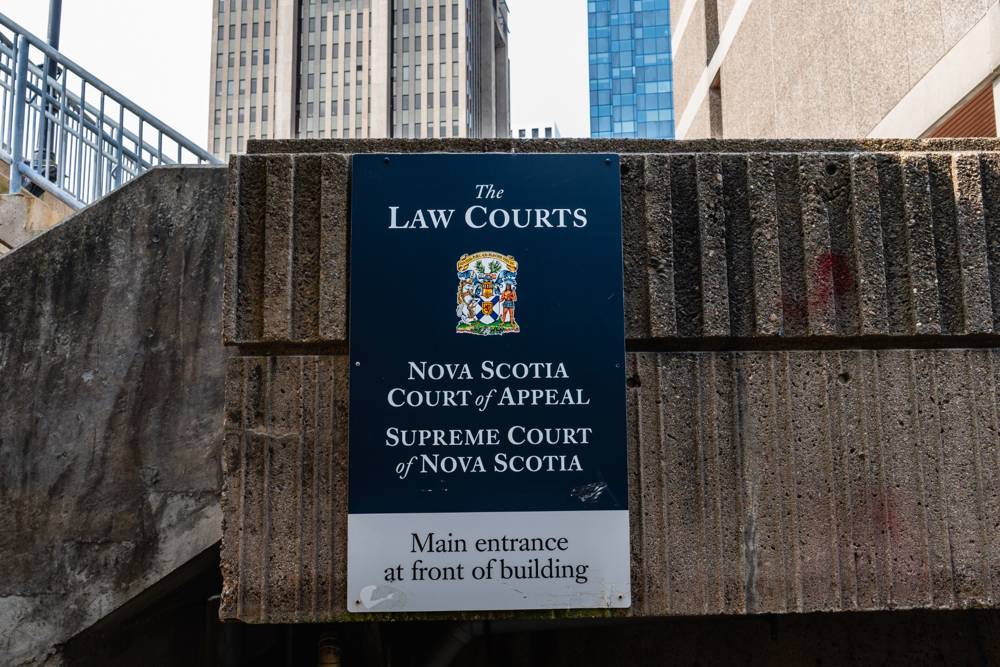
HALIFAX, NS: The Justice Centre for Constitutional Freedoms announces that the Supreme Court of Nova Scotia has granted public interest standing to a group of physicians and patients, represented by lawyers funded through the Justice Centre, in a major constitutional challenge to the province’s Personal Health Information Act.
The ruling allows the applicants to proceed with their Charter challenge of recent amendments that force doctors and other healthcare providers to disclose patients’ private medical information to government officials without consent.
The amendments, introduced in 2024 through the province’s Financial Measures Act, authorize the Minister of Health and Wellness to obtain identifiable medical records for three broad purposes: planning and managing the healthcare system, allocating resources, and creating or maintaining electronic health record programs. The government plans to build a centralized electronic database containing the personal medical histories of all Nova Scotians.
The applicants argue these amendments violate Charter sections 7 and 8, which protect liberty, security of the person, and the right to be secure against unreasonable search or seizure. They argue that the law erodes informed consent and medical confidentiality, cornerstones of patient trust.
Constitutional lawyer Chris Fleury remarked, “Health care records contain some of the most private and personal details of an individual’s life. Health records deserve the highest level of protection from the intrusion of the state.”
In her ruling, Justice Denise Boudreau affirmed that the applicants’ challenge raises a serious constitutional issue and serves the public interest.
The Court found that the applicants, including physicians and patients, have a genuine and legitimate interest in the matter and that their case represents a reasonable and effective way to bring the issue before the Court.
The case will now proceed to a full hearing on the constitutionality of the amendments to the Personal Health Information Act.