Winners announced below!
"If liberty means anything at all, it means the right to tell people what they do not want to hear."
― George Orwell
Meet the 2025 Winners
We are excited to announce the winners of the 2025 essay contest. These essays demonstrated a high level of thought, effort, and insight.
This year's Essay Contest focused on two of Canada’s most controversial questions about individual rights and freedoms:
Option One: Privacy and public safety
Governments have expanded their use and exploration of surveillance and data-gathering technologies with the stated goal of increasing public safety and security. Such technologies include CCTV cameras, biometrics, AI-powered predictive analytics, digital IDs, and even central bank digital currencies (CBDCs). While such technologies may help prevent crime and protect citizens, they can violate citizens’ privacy by allowing governments to peer into citizens’ behaviours, beliefs, habits, and financial transactions, and use this information against citizens.
Question #1:
What makes privacy valuable? How important is privacy in a free society? Under what conditions, if any, should the government be permitted to interfere with individual privacy in the name of public safety? What is the proper balance between privacy and public safety?
Option Two: Freedom of religion and secular spaces
Question #2:

First Place: Nina Tekavcic
Essay title: Lifting the Veil: Exposing The False Neutrality of Quebec’s Bill 21
About Nina's essay
Strengths: This outstanding essay distinguishes itself from the outset for its clarity, originality, and intellectual depth. The arguments flow smoothly, supported by thorough research. It has excellent theory engagement and strong historical grounding in both Canada’s tradition of religious freedom and the historical roots of laïcité. The essay offers a careful distinction between genuine freedom of religion and Quebec’s improper application of state secularism. Most impressive are its policy proposals: clear, substantive, well-reasoned, and importantly, supported by authoritative sources.
Weaknesses: At times, the essay has a slight degree of redundancy. Streamlining these instances of repetition would sharpen the argument’s overall impact.
Biography
Nina Tekavcic is an aspiring medical doctor and Grade 12 International Baccalaureate student who combines her passion for science with a keen interest in legal and ethical issues. She applies the scientific method to questions of law, bridging the gap between two complex fields. Outside of her studies, Nina actively engages with her community, working as a camp counsellor, swim instructor, and volunteer math tutor. In her free time, you can find her reading or playing with her cats.
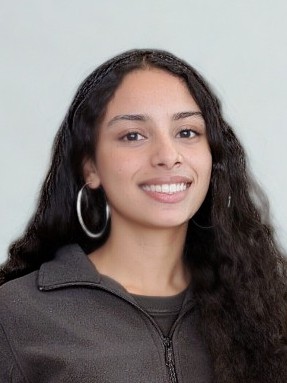
Second Place: Kayenat Zaidi
Essay title: Lines We Should Not Cross: Privacy, Surveillance, and Canada’s Digital Charter
About Kayenat's essay
Strengths: This essay demonstrates strong comprehension of the question and offers a well-researched, well-argued account of why privacy is essential to a free society and what the proper balance is between privacy and safety. It uses great theoretical engagement in articulating the value of privacy. The essay also presents thoughtful policy recommendations and reflects a solid understanding of current privacy concerns in Canada and abroad.
Weaknesses: In places, this essay could have benefited from additional citations. The policy proposals, in particular, though strong, would be more persuasive with authoritative sources.
Biography
Kayenat Zaidi is a Grade 12 student at Western Canada High School in Calgary with a strong interest in systems-design engineering. Outside of her academic goals, she is passionate about supporting women’s rights and hopes to stay involved in advocacy throughout her life. In her free time, Kayenat plays basketball and enjoys reading; her favourite novel is A Tale of Two Cities.
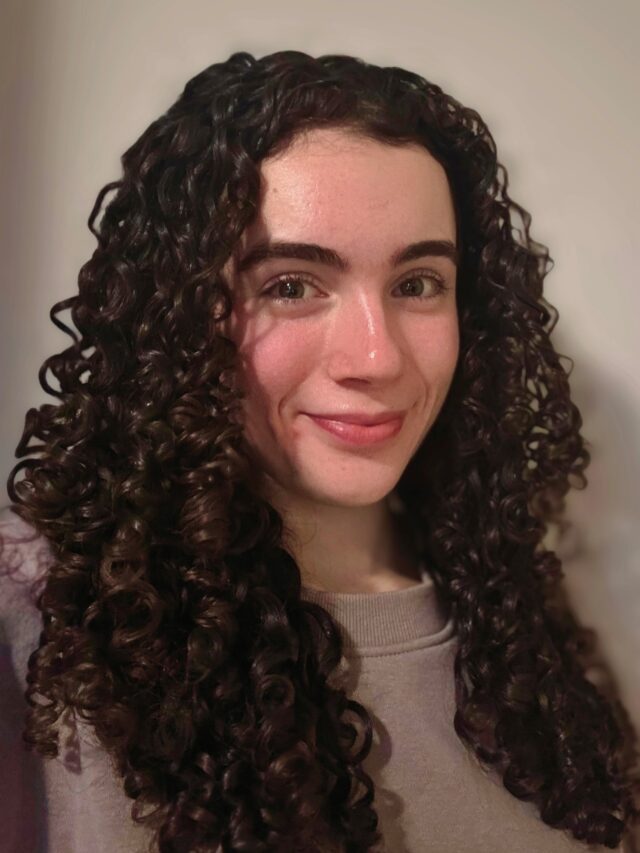
Third Place: Sabrina Cordeiro
Essay title: Privacy, Power, and the Public Good: Balancing Surveillance and Liberty
About Sabrina's essay
Strengths: This essay stands out for its strong introduction with a clear thesis and outline, helping the reader know exactly what to expect from the beginning. The structure remains disciplined throughout, supported by solid theoretical grounding and effective application regarding the limits of government interference and the overall value of privacy. It is great policy proposals supported by strong sources. This essay particularly excels at addressing objections and counterarguments, demonstrating strong reasoning and a well-supported position. The conclusion is concise and provides a satisfying closing to the essay.
Weaknesses: This essay had some grammar and citation issues, and several paragraphs run a bit long. Dividing them into shorter, more manageable sections would enhance clarity and provide greater readability.
Biography
Sabrina Cordeiro is currently a Grade 12 student and will be attending the University of Lethbridge next year to pursue a degree in biological sciences, with aspirations of becoming a wildlife biologist. Sabrina enjoys hiking, exploring nature, reading, and playing soccer. She is particularly interested in ecosystems, wildlife conservation, and the complex relationships between species and their environments.
Honourable Mentions
We recognize and congratulate the following five writers for their outstanding essays, which stood out as top contenders:
Hunter McNaughton
Zakiya Abdulaziz
Madison Grace Sylvester
Anie Udofia
Kit Li Xinf
Thank you for your hard work and truly impressive essays! We celebrate your contributions and encourage you to apply again next year. We believe in the power of young voices like yours to shape a brighter future in Canada, and contests like this help refine your voice.
Prizes
$2,000
First Place
$1,000
Second Place
$500
Third Place
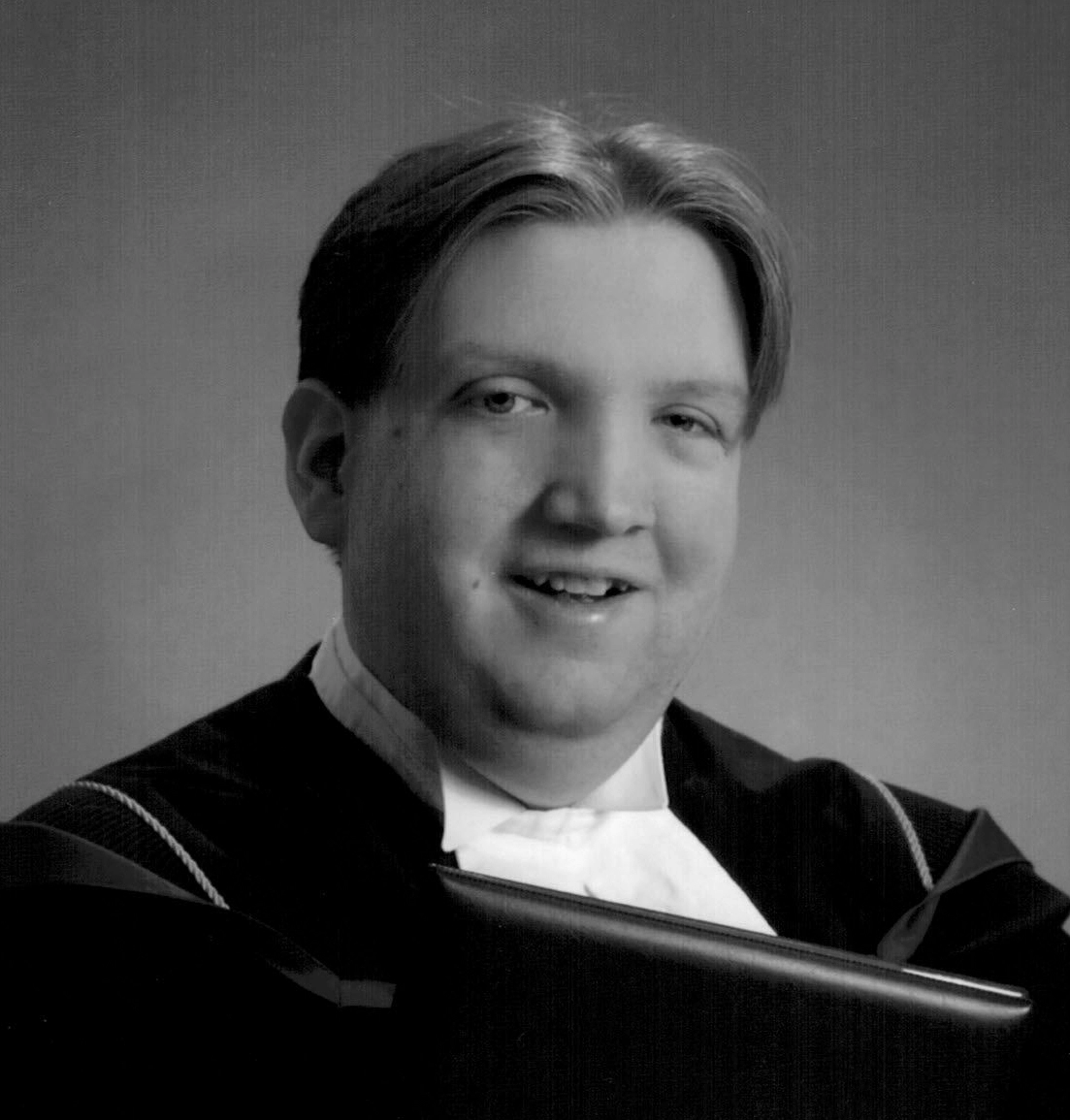
About Brandon Langhjelm
Despite being born with a significant disability, a connective tissue disorder called Loeys-Dietz syndrome, Brandon Langhjelm graduated with a Bachelor of Arts in History degree and later went on to obtain his law degree from the University of British Columbia.
Brandon joined the Justice Centre team in 2018 and won his most significant court case in 2020, where he challenged the decision of the City of New Westminster to cancel an ethnic church’s youth conference because the City did not like one of its speakers. Brandon made court appearances on behalf of the Justice Centre until September 2021, when he was hospitalized and diagnosed with stage four cancer. He passed away on October 25, 2021. Brandon is missed by his colleagues for his keen legal insight and objective perspective, his love of the NHL, and his compassion for vulnerable people. Brandon faced life’s greatest challenge with courage, conviction, and trust in God. The Brandon Langhjelm Essay Contest was established in 2021 in his honour.