CALGARY, AB: The Justice Centre for Constitutional Freedoms announces the launch of a national campaign urging Canadians to contact their Members of Parliament in opposition to Bill C-34, the Safe Social Media Act.
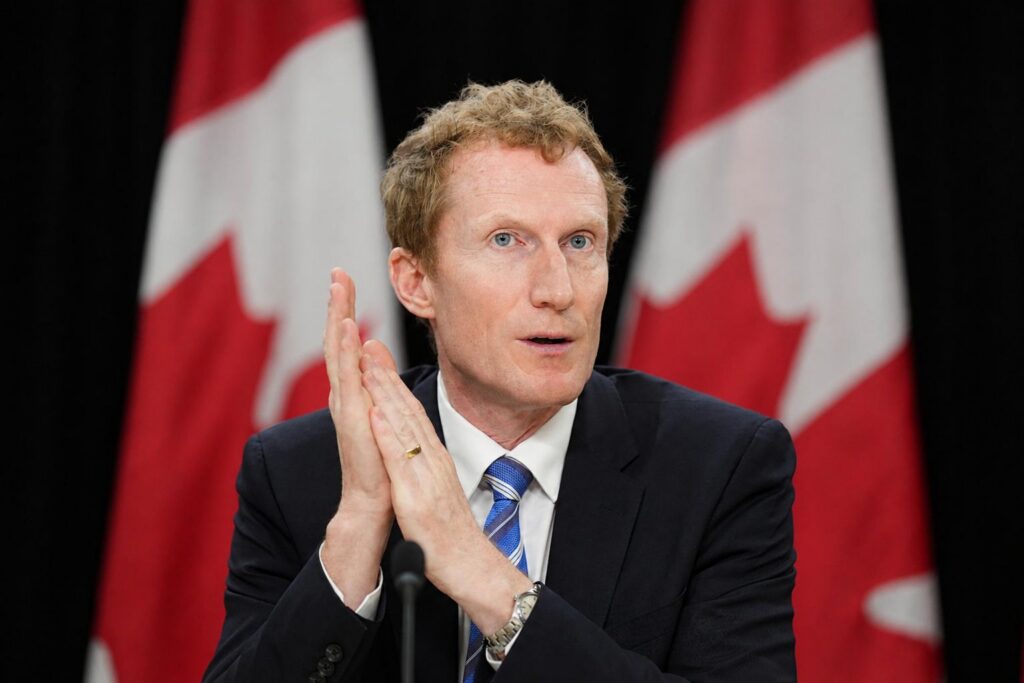
Canadian Identity and Culture Minister Marc Miller introduced the legislation on June 10, 2026. A Government of Canada news release stated that the legislation will combat online harms “by ensuring that social media services and artificial intelligence (AI) chatbots are responsible for addressing harm before it occurs.”
Bill C-34 goes far beyond protecting children from harmful online content and prohibiting AI companies from encouraging users to commit crimes. It implements a social media ban for minors, effectively regulates AI chatbot inputs and outputs, and grants the federal Cabinet broad powers to regulate the internet in the future.
Section 27(1) will force regulated social media services to prevent Canadians under age 16 from accessing social media through age-verification and age-estimation measures. To keep minors off social media, all Canadians will have to verify their age and identity.
If the legislation passes, Canadians will be forced to surrender more of their personal information to the government or foreign social media companies in order to express their views, participate in public discourse, and access information about the world.
Sections 48 to 58 will effectively regulate what Canadians can say to AI chatbots and what AI chatbots can say to Canadians. Faced with vague obligations and significant financial penalties for non-compliance (up to three percent of global revenue), AI companies will be forced to monitor all Canadians’ private AI conversations and may increasingly report private, law-abiding conversations to police.
Furthermore, section 53(e) will give future regulators broad powers to prohibit what AI chatbots may say in the future. Canadians increasingly rely on AI chatbots and search tools in place of traditional search engines. Our experts warn that government authority over AI chatbot outputs may have serious implications for Canadians’ access to information.
Part 2 will establish a Digital Safety Commission of three to five full-time members, to be appointed by the federal Cabinet, with broad power to regulate online content.
According to privacy expert and law professor Michael Geist, the federal cabinet and Digital Safety Commission will have power to determine 50 major questions not addressed in Bill C-34, including which social media platforms and AI companies will be affected, what counts as “significant psychological or physical harm” in online content, and how the government will restrict minors’ access to social media. Parliament will have limited oversight over these decisions.
The Justice Centre invites concerned Canadians to participate in this national campaign by using the Justice Centre’s online letter-writing software to send a pre-written letter to their Members of Parliament and to Prime Minister Mark Carney.
The Justice Centre is Canada’s leading civil liberties organization fighting for Charter rights and freedoms in the courts of law and in the court of public opinion. Founded in 2010, the Justice Centre funds lawyers across Canada, relies entirely on voluntary donations to carry out its mission, and issues official tax receipts to donors.