TORONTO, ON: The Justice Centre for Constitutional Freedoms announces that lawyers funded by the Justice Centre have filed the Applicants’ Factum in the Ontario Superior Court of Justice on behalf of North Huron residents Stephen Hill and Bradley Carther, marking the latest step in a constitutional challenge concerning Canadians’ right to record municipal council meetings and attend public proceedings without arbitrary exclusion.
The case asks the Court to affirm that recording the proceedings of elected officials is constitutionally protected expression and that municipalities cannot use trespass notices to exclude citizens from council meetings for peacefully documenting public proceedings.
The legal challenge arises from a series of incidents beginning in January 2026.
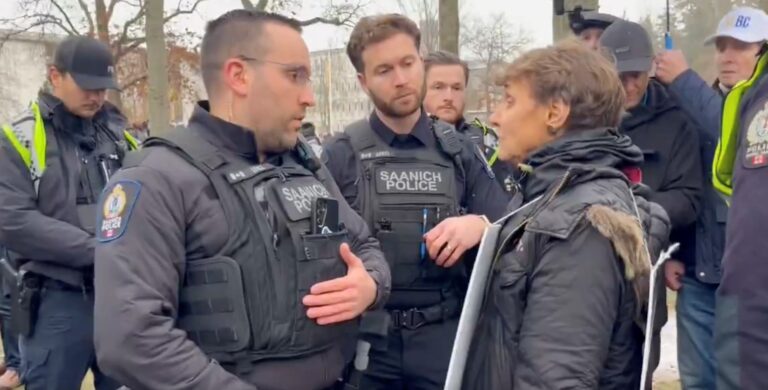
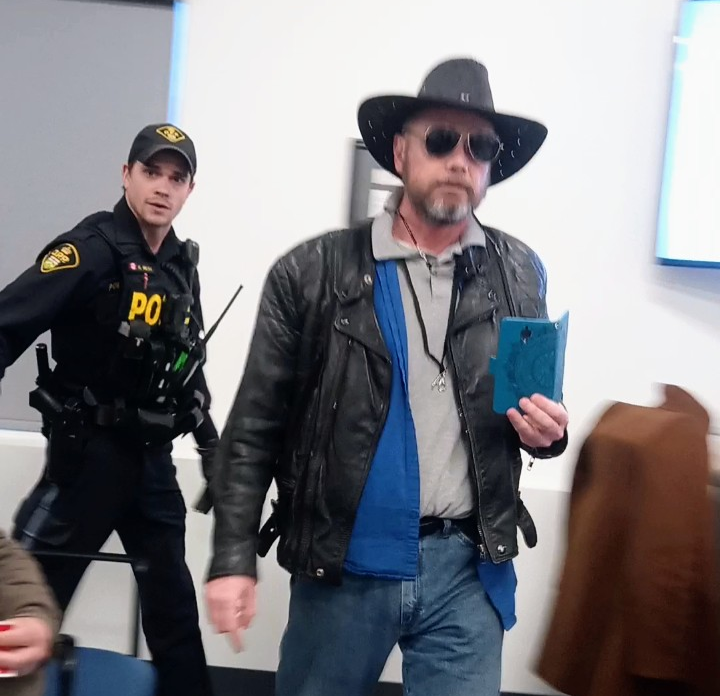
On January 15, 2026, Mr. Hill was recording a public meeting of North Huron Council on his cellphone when council directed him to stop, citing a municipal bylaw prohibiting members of the public from recording council meetings. When he refused, council recessed the meeting and called the Ontario Provincial Police. Officers removed Mr. Hill and Mr. Carther from council chambers, despite neither man being accused of disruptive, violent, or threatening behaviour.
The Township later issued both men with six-month trespass notices prohibiting them from attending future council meetings.
Lawyers funded by the Justice Centre responded by sending a legal warning letter to the Township, arguing that the recording prohibition violated section 2(b) of the Canadian Charter of Rights and Freedoms, which protects freedom of expression and freedom of the press.
Following receipt of that warning letter, the Township repealed its prohibition on public recording and adopted a new procedure bylaw allowing members of the public to record council meetings, subject to reasonable rules governing the placement and operation of recording equipment.
Despite repealing the bylaw, however, the Township has refused to rescind the trespass notices issued against Mr. Hill and Mr. Carther.
The Applicants’ Factum argues that recording public meetings is constitutionally protected under section 2(b) of the Charter because it enables citizens and journalists to gather and share information about matters of public importance. It also argues that council chambers are a traditional forum for democratic participation and that municipalities cannot use trespass notices to enforce restrictions on constitutionally protected expression after repealing the bylaw under which those notices were issued.
Constitutional lawyer Darren Leung said, “While we welcome the fact that the Township rescinded its unconstitutional prohibition on recording, it still maintained the trespass notices against Mr. Hill and Mr. Carther, which is, in itself, a constitutional violation.”
He continued, “We look forward to presenting this case before the Court and are hopeful it will recognize that the applicants did nothing wrong.”
A hearing on this matter is scheduled for Wednesday, August 19, 2026.
The Justice Centre is Canada’s leading civil liberties organization defending Charter rights and freedoms in the courts of law and in the court of public opinion. Founded in 2010, the Justice Centre funds lawyers across Canada, relies entirely on voluntary donations to carry out its mission, and issues official tax receipts to donors.