

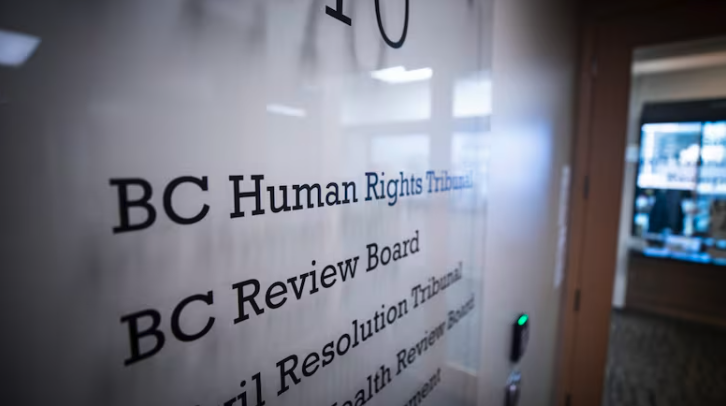
In January 2025, the BC Human Rights Tribunal ordered British Columbian Kirstin Olsen to pay $10,000 for comments she made during private conversations with a longtime friend. Lawyers funded by the Justice Centre are asking the Supreme Court of British Columbia to overturn that decision, arguing that the Tribunal improperly punished constitutionally protected expression.
Friendship ended over personal conflict, not gender identity
Kirstin Olsen and Theresa (Terry) Wiebe had been close friends for several years. Wiebe identifies as transgender.
From 2014 to 2018, Olsen allowed Wiebe to live in a motorhome on her property. In 2017, Wiebe told Olsen about beginning hormone therapy and plans to undergo a mastectomy. Drawing on her family’s experience with breast cancer and concerns about the risks associated with major surgery, Olsen expressed that she was uncomfortable with the decision and did not support it.
Despite those conversations, the friendship continued. Olsen allowed Wiebe to remain on the property for $200 per month and even paid for Wiebe to return to British Columbia from the Yukon after Wiebe was hospitalized following what appeared at the time to be complications related to hormone therapy.
In 2018, after Wiebe became involved in several disputes with other people living on the property, Olsen asked Wiebe to leave. Olsen maintained that the decision had nothing to do with Wiebe’s gender identity or transition.
Tribunal fined Olsen for expressing her views
Wiebe filed a discrimination complaint with the BC Human Rights Tribunal.
Although the Tribunal concluded that Olsen had not asked Wiebe to leave because of gender identity, it nevertheless ruled that Olsen’s private comments expressing concern about the planned mastectomy were discriminatory. The Tribunal ordered Olsen to pay $10,000 for injury to dignity.
The Tribunal did not address the impact of its decision on freedom of expression protected by section 2(b) of the Canadian Charter of Rights and Freedoms.
Court challenge argued Tribunal exceeded its authority
Olsen applied for judicial review, asking the Supreme Court of British Columbia to set aside the Tribunal’s decision.
Her application argued that the Tribunal incorrectly concluded that a tenancy relationship existed under the Human Rights Code, wrongly characterized her private comments as discrimination, and failed to properly consider her freedom of expression under the Charter.
Court filings also noted that the Tribunal accepted Olsen’s concerns about the surgery were influenced by her mother’s experience with breast cancer and by concerns about the medical risks of surgery. Olsen argued that these conversations were motivated by concern for a friend, not hostility toward gender identity, and that the Tribunal improperly penalized private discussions between longtime friends.
Constitutional lawyer Marty Moore said, “It is very concerning to see a government tribunal policing private communications between friends, and imposing a $10,000 penalty, without giving any heed to the fact that Canada’s Charter guarantees freedom of expression. A comment of concern for a friend is very different than evicting someone from their home on the basis of their race, religion, sex or other protected personal characteristic. The BC Human Rights Tribunal should focus on combatting genuine cases of discrimination rather than policing speech.”
Case raised broader questions about freedom of expression
Lawyers funded by the Justice Centre appeared before the Supreme Court of British Columbia on Olsen’s behalf. They argued that the Tribunal’s decision raised important questions about the extent to which human rights tribunals may regulate private conversations between individuals.
Mr. Moore said, “This case shows yet again an example of the BC Human Rights Tribunal overreaching to police speech. It highlights the serious need for legislative reform to prevent private individuals from going through this punishing process on account of expressing their sincere opinions and concerns.”
Olsen said the Tribunal’s ruling had profoundly affected her.
“The BC Human Rights Tribunal issuing a $10,000 fine for expressing concern and opinions between friends is a violation of Charter rights as the fine makes it clear that the Tribunal is determining that it is mandatory that the public accept or believe in gender theory or be held in violation of the Human Rights Code,” she said.
“I am so very grateful to the Justice Centre for providing me with professional representation to conduct the judicial review of the BC Human Rights Tribunal decision levied against me. I represented myself throughout the previous seven years of the Residential Tenancy and BC Human Rights Tribunal process, and am thoroughly exhausted by this seemingly biased process,” she added.
Hearing postponed
The judicial review hearing was postponed because of an unrelated court matter. A new hearing date had not yet been announced.