
Public commentary on gender identity prompted multiple human rights complaints
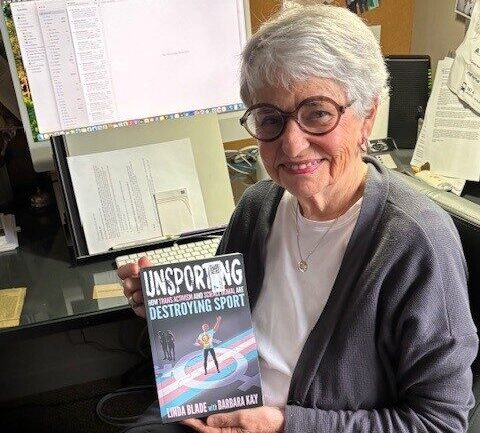
Canadian journalist Barbara Kay publicly commented on issues relating to gender identity through newspaper columns, interviews, and social media posts. Her commentary included criticism of gender identity ideology and references to Jessica Simpson (formerly known as Jonathan Yaniv) using male pronouns and Simpson’s previous name.
In March 2025 and March 2026, Jessica Simpson filed three complaints against Ms. Kay with the British Columbia Human Rights Tribunal, alleging that her public statements discriminated against Simpson on the basis of gender identity or expression and sex.
Lawyers funded by the Justice Centre are assisting Ms. Kay, an award-winning columnist whose work has appeared in the National Post, Epoch Times, and The Post Millennial.
Complaints challenged Ms. Kay’s public statements and her response to legal proceedings
The first complaint focused on social media posts made by Ms. Kay in March 2025. Simpson alleged that Ms. Kay’s use of male pronouns, Simpson’s previous name, and her commentary on gender identity caused reputational harm and psychological distress.
A second complaint, filed the following day, alleged retaliation. Simpson claimed that Ms. Kay’s public response to the first complaint, in which she described the proceeding as trivial and continued using male pronouns, was intended to discourage further legal action.
A third complaint arose from a March 30, 2026 interview and related published content. Simpson alleged that Ms. Kay’s refusal to use preferred pronouns and her views on gender identity contributed to stigma and emotional harm.
The complaints raised broader questions about freedom of expression
The complaints formed part of a broader pattern of litigation involving Jessica Simpson, whom courts have previously described as a “prolific litigant.”
Ms. Kay defended her comments, stating, “I would never give credence to something as a reality when it is not a reality.”
Constitutional lawyer Marty Moore said the complaints raised important questions about whether people can be compelled to express beliefs they do not hold. He argued that requiring individuals to affirm another person’s asserted identity, rather than what they believe to be true, engages the freedom of expression guarantee protected by the Charter.
Moore stated, “Compelling people to affirm one’s own identity rather than reality is a gross violation of the Charter guarantee for freedom of expression. Solutions for societal debates, including about the appropriate protections for women and girls, require that people be able to speak honestly and accurately.”
Tribunal will decide whether the complaints proceed
The British Columbia Human Rights Tribunal has not yet decided whether it will accept the complaints for further consideration.