CALGARY, AB: The Justice Centre for Constitutional Freedoms announces that the Alberta Court of Appeal will soon release its decision in a case challenging whether speaking events can be censored on the basis of potential “psychological harm” to an audience, infringing Charter-protected freedoms of expression (section 2(b) and peaceful assembly (section 2(c).
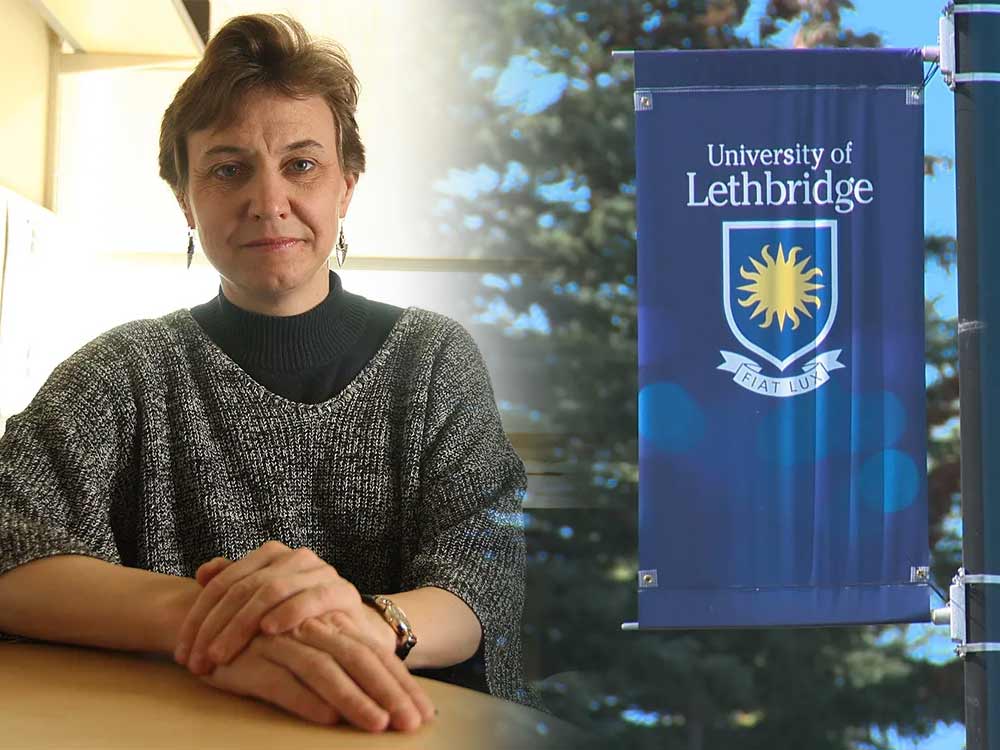
This case stems from the University of Lethbridge’s January 30, 2023, decision to cancel a speaking event featuring Dr. Frances Widdowson, who has frequently challenged established narratives on Indigenous matters.
In written argument filed in 2024 the University claimed it cancelled the event, in part, because it had obligations under Alberta’s Occupational Health and Safety Act to ensure a workplace free of “harassment” and free of hazards to “psychological and social wellbeing.”
Lawyers argue that these provisions (which might be described as a “safe spaces” law) compel employers to censor lawful expression under threat of fines or imprisonment.
Constitutional lawyer Glenn Blackett said, “Safe spaces provisions are a serious threat to Charter freedoms. Employers who don’t censor ‘unsafe’ speech are liable to be fined or even jailed. This isn’t just the government censoring speech, it is the government requiring citizens to censor one another.”
Given the University’s defence, lawyers asked the Court of King’s Bench of Alberta to allow an amendment to the lawsuit to challenge the constitutionality of the “safe spaces” laws. However, the Court denied the request. According to the Court’s apparent reasoning because the safe spaces law is worded vaguely and generally, it is immune from constitutional challenge.
Mr. Blackett says, “I think the Court got things backwards. If legislation infringes Charter rights in a vague or general way, infringements become impossible to justify – they don’t become Constitution-proof.”
Widdowson and co-litigant Jonah Pickle appealed the ruling to the Alberta Court of Appeal, which heard argument on Monday. A decision from the Court of Appeal is expected soon.