
ONTARIO: The Justice Centre has taken an interest in a recent court ruling on a matter of pure law. In a Decision released on May 13, 2022, in Ontario’s Superior Court of Justice, Justice John Fregeau ruled that members of Parliament and the Senate enjoy the absolute right to freedom of expression in parliamentary debate, and struck down as unconstitutional parts of federal legislation that had prevented certain members from disclosing information on national security matters. At a time when governments and their agencies have been trying to stifle freedom of expression for citizens objecting to Covid lockdowns and vaccine mandates, this decision is a welcome affirmation that freedom of expression still enjoys legal protection in our representative institutions.
Prior to this decision, under the National Security and Intelligence Committee of Parliamentarians Act, members serving on an oversight committee for the RCMP and the Canadian Security Intelligence Service (CSIS) were forbidden from disclosing secret and classified information received during committee proceedings based on concerns about national security. First passed in 2017, the Act imposed serious legal consequences for members who chose to speak out about such matters in the Senate or the House. It was a striking departure from what is known as Parliamentary privilege, which is the right to speak freely in Parliament without fear of repercussions.
The case was brought by Lakehead University Constitutional Law Professor Ryan Alford, author of the book, Seven Absolute Rights, who appeared as a self-represented party based on the public interest in his arguments. According to Professor Alford and other legal experts, parliamentary privilege is not explicitly guaranteed under the Constitution, but is implied in its preamble.
The controversy in the case stemmed from the fact that the oversight committee is billed as independent of the legislative branches because it reports to the Prime Minister and forms a part of the executive. However, this did not prevent the court from ruling in favour of Professor Alford’s position, which is that parliamentary privilege is “inherent, absolute and essential.”
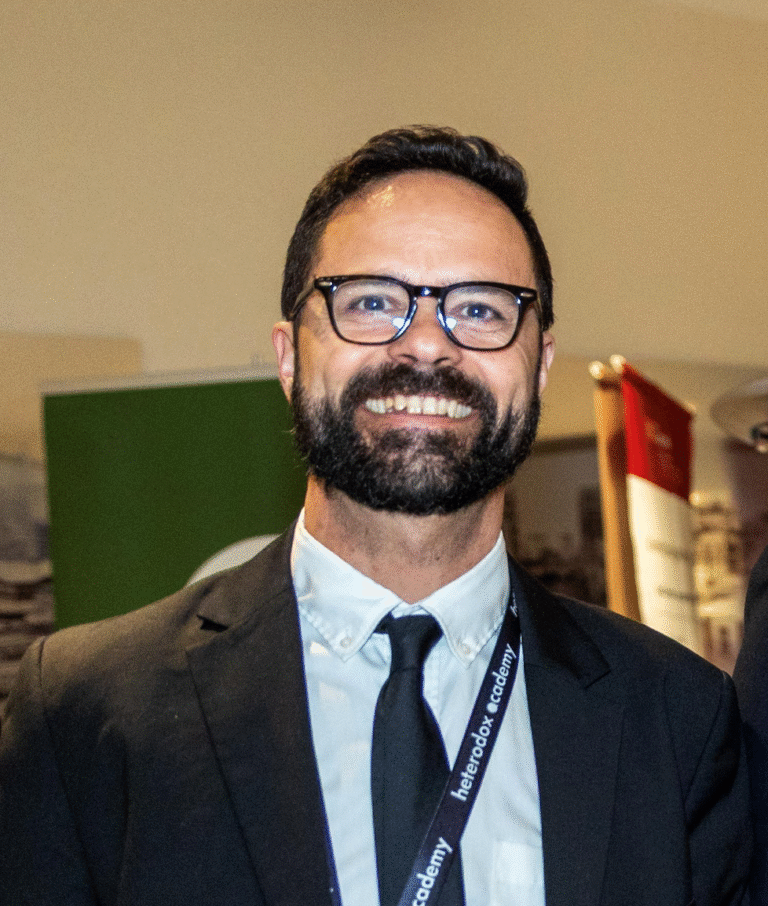
The federal government argued that freedom of speech is not an absolute right, and could be limited in certain circumstances. Taking issue with the government’s position, Justice Fregeau ruled that parliamentary privilege is “equivalent to that of the Charter of Rights and Freedoms itself,” and that freedom of expression in parliamentary debate is indeed “absolute,” even when it touches on “national security concerns,” according to Justice Centre lawyer, Jorge Pineda.
He added: “The Court, in essence, has clearly told the government that there are absolute rights in the Constitution that cannot be infringed upon, no matter what excuse is made, even when it involves national security. This is an absolute right for elected representatives, to be able to speak freely in Parliament, without fear of punishment. This decision also reaffirms that Canadians have rights deeply entrenched in the Constitution, beyond those guaranteed by the Charter of Rights.”
The Government of Canada has the right to appeal the decision.