- wear an ankle bracelet (electronic monitoring device)
- obey a curfew and stay at home, as determined by the judge
- abstain from alcohol, drugs, or both
- provide bodily substances (e.g. blood, urine) to confirm abstinence from drugs or alcohol
- not communicate with certain designated persons
- not go to certain places, as determined by the judge
- surrender her or his legally owned and legally acquired firearms
~11 min read aloud
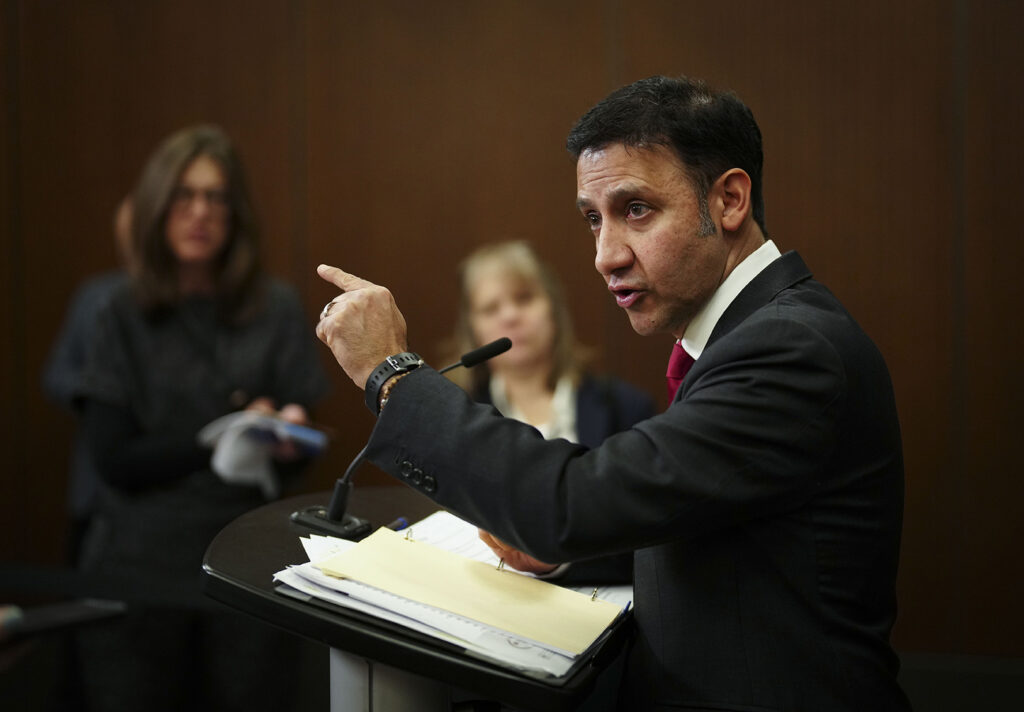
On February 26, Minister of Justice and Attorney General of Canada Arif Virani introduced Bill C-63, the Online Harms Act, in the House of Commons. The Online Harms Act is presented by the government as a means to promote the online safety of persons in Canada and reduce harmful content online. The Online Harms Act would impose severe penalties for online and offline hate speech, including life imprisonment, which is the most severe criminal punishment in Canada. This new legislation would establish a new Digital Safety Commission with power to enforce new regulations created by the federal cabinet. The Canadian Human Rights Commission would acquire new powers to prosecute and punish non-criminal hate speech.
Good intentions should be applauded
Although the Online Harms Act seriously threatens free expression in Canada, there are good intentions behind some of its provisions. It is a laudable goal to force online platforms to remove revenge porn and other non-consensual sharing of intimate images, content that bullies children, content that sexually victimizes children, content that encourages children to harm themselves, and content that incites violence, terrorism or hatred.
Unnecessary duplication of the Criminal Code
However, good intentions do not justify passing additional laws that duplicate what is already prohibited by Canada’s Criminal Code. Additional laws that duplicate existing laws are a poor substitute for good law enforcement.
Section 162.1(1) of Canada’s Criminal Code already prohibits online and offline publication of an intimate image without consent. Section 163 already prohibits publication of obscene materials and child pornography. Thus, it is already illegal to post online content that sexually victimizes a child or revictimizes a survivor.
Section 264(1) already prohibits criminal harassment. Section 319(1) already prohibits the public incitement of hatred towards a group that is identifiable by race, ethnicity, religion, sex, sexual orientation, gender identity, gender expression and other personal characteristics. Section 59(1) criminalizes sedition: advocating the use of force to achieve governmental change within Canada. Sections 83.21 and 83.22 criminalize instructing to carry out terrorist activity; any online content that incites terrorism is already illegal.
Further, Section 22 of Canada’s Criminal Code prohibits counselling, procuring, soliciting or inciting another person “to be a party to an offence.” Any person who counsels, procures, solicits or incites another person to be a party to an offence will be found guilty if the person receiving such counsel commits the offence in question. This applies to terrorism and other violent crimes, and even to minor criminal offenses like shoplifting. Further, section 464 of the Criminal Code criminalizes counselling another person to commit an offence even if that offence is not committed.
Those who support the Online Harms Act should explain why they believe that existing legislation is inadequate to address “harmful” online expression.
New government bodies to censor online speech
If passed into law, the Online Harms Act will create a new Digital Safety Commission to enforce compliance with new regulations created by the federal cabinet. This Digital Safety Commission will have the power to regulate nearly any person or entity operating as a “social media service” in Canada. Any person or social media service found to have permitted “harmful content” would face penalties. The severity of the penalties would be established by the federal cabinet. The creators and users of online content will self-censor to avoid the risk of running afoul of the new regulations and government-imposed censorship. The Online Harms Act provides that an Order of the Digital Safety Commission may be converted into an Order of the Federal Court and enforced like a Court Order. This could result in people operating social media services being fined and imprisoned for contempt of court if they refuse to censor Canadians’ speech.
Pre-emptive punishment for crimes not committed
The Online Harms Act, if passed into law, will add section 810.012 to the Criminal Code, which will permit pre-emptive violations of personal liberty when no crime has been committed. This repudiates centuries of legal tradition that rightly reserved punishment for what a person had done, not for what a person might do. Under this new provision, a complainant can assert to a provincial court that they “fear” that someone will promote genocide, hate or antisemitism. If the judge believes that there are “reasonable grounds” to justify the fear, the court can violate the liberty interests of the accused citizen by requiring her or him to do any or all of the following:
Media inquiries: media@jccf.ca
Associated cases
No results found.
Associated News Releases
No results found.