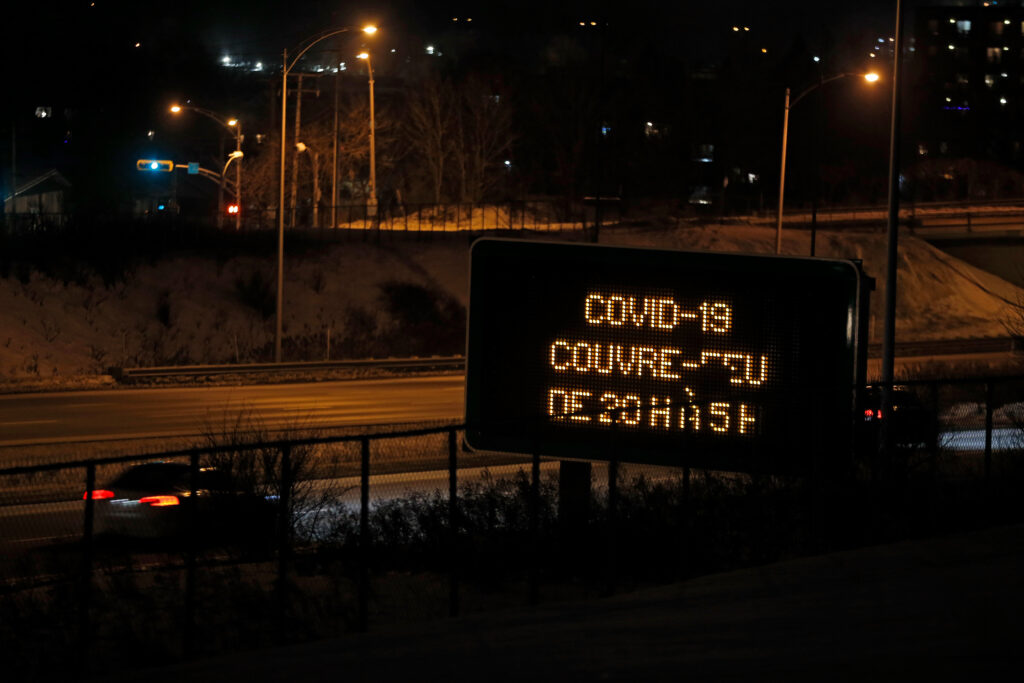
Quebec imposed one of the world’s harshest Covid lockdown measures
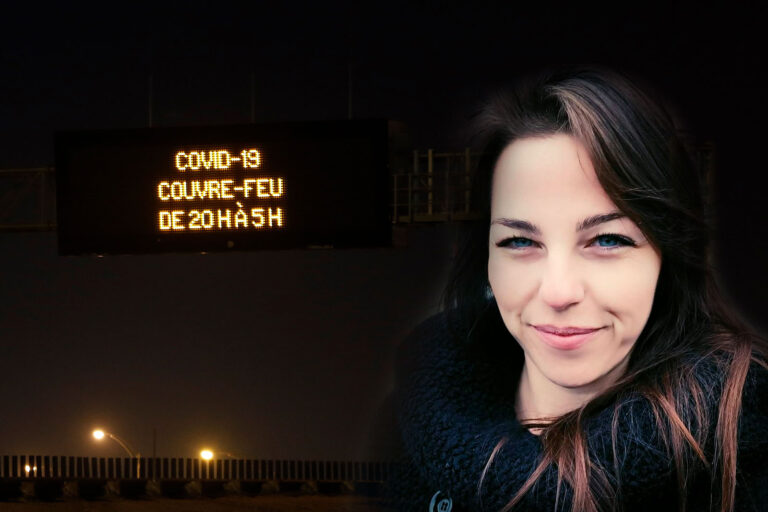
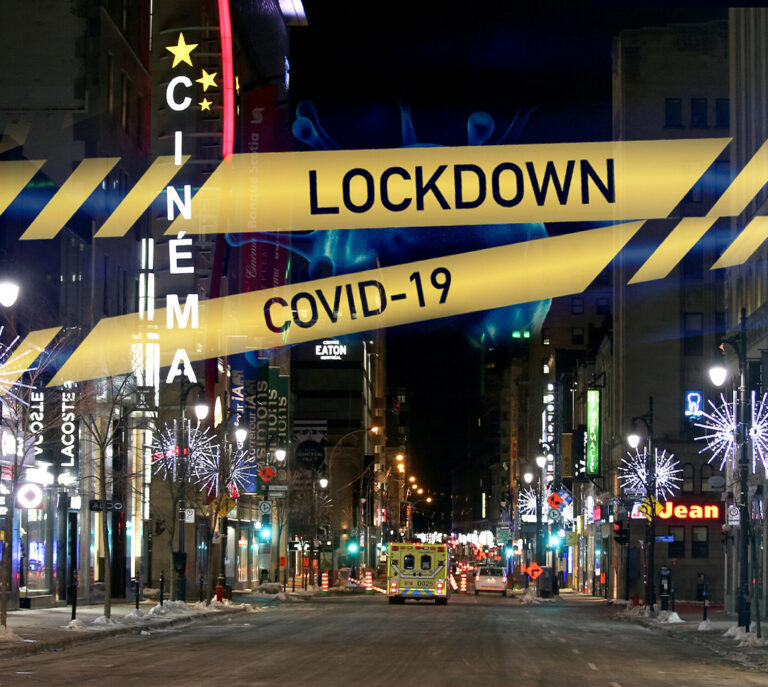
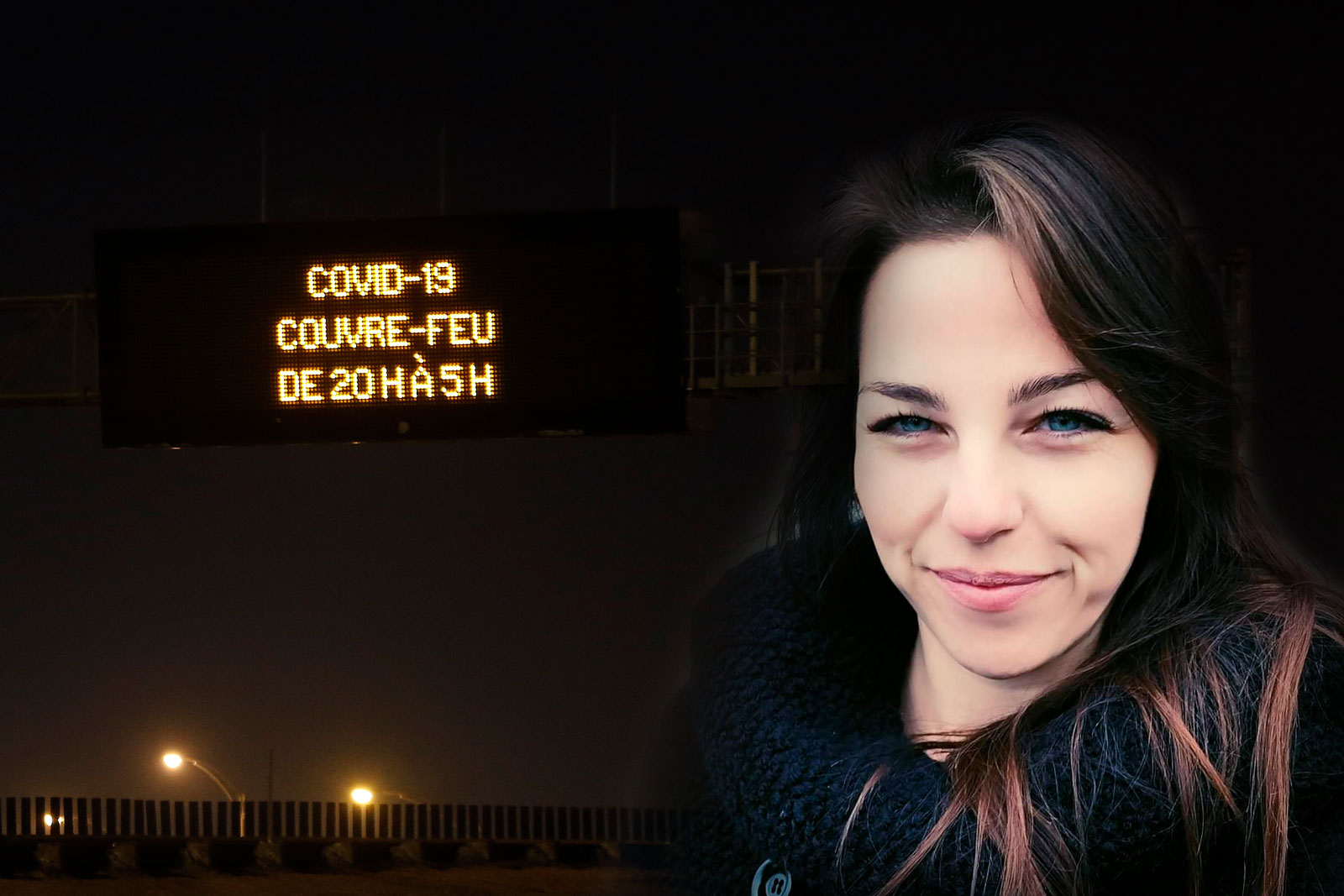
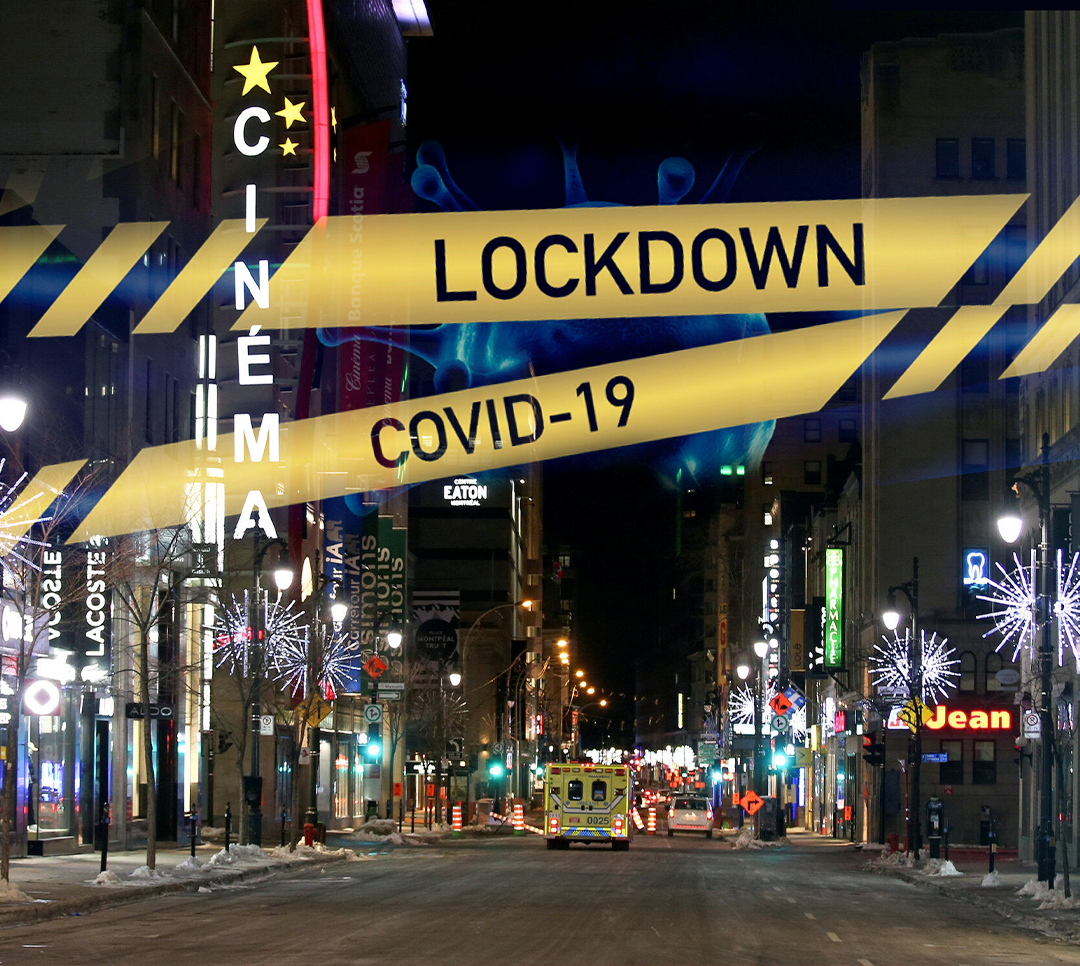
On January 9, 2021, the Government of Quebec implemented one of the harshest Covid lockdown measures in the world, prohibiting residents from leaving their homes between 8:00 p.m. and 5:00 a.m. Quebec was the only Canadian jurisdiction to impose a curfew during the pandemic.
The curfew remained in effect from January 9 to May 28, 2021, and again from December 31, 2021, to January 17, 2022. Under Quebec’s Public Health Act, police officers were authorized to issue fines ranging from $1,000 to $6,000 for violating the curfew.
Between September 2020 and October 2021, police issued approximately 46,000 tickets for alleged violations of Quebec’s pandemic restrictions. Nearly half—about 22,500—were for curfew offences, generating an estimated $30 million in fines.
Stéphanie Pépin challenged the curfew after receiving a ticket
On the evening the curfew first came into force, January 9, 2021, Stéphanie Pépin was driving to attend a peaceful protest against the government’s new restrictions when police stopped her and issued her a ticket for violating the curfew.
With assistance from lawyers funded by the Justice Centre, Ms. Pépin challenged provisions of Quebec’s Public Health Act, arguing that the curfew unjustifiably violated her Charter freedoms of expression and peaceful assembly.
Her constitutional challenge was heard over four days from September 18 to 21, 2023. During the hearing, constitutional lawyer Olivier Séguin cross-examined Dr. Horacio Arruda, Quebec’s National Director of Public Health during the pandemic, and Dr. Richard Massé, Dr. Arruda’s strategic medical advisor and one of the architects of the Public Health Act.
The evidence included testimony that the curfew was intended not only to reduce the transmission of Covid, but also to “reinforce compliance” and “send a clear message” encouraging Quebecers to follow other public health measures.
Trial judge found the curfew violated constitutional rights
On January 30, 2024, Justice Marie-France Beaulieu dismissed Ms. Pépin’s constitutional challenge.
Although the Court concluded that the curfew infringed constitutional rights, it ruled that those violations were justified under the circumstances.
Constitutional lawyer Olivier Séguin, representing Ms. Pépin, stated, “There have been dozens of challenges to the curfew law, but this one was different. This is the first time in Canadian history that the crafters of the laws under scrutiny were questioned under oath, and it became evident they had no constitutional basis on which to act.”
Appeal argued the curfew amounted to collective punishment
Lawyers funded by the Justice Centre appealed the decision to the Superior Court of Québec.
At the appeal hearing on April 16, 2025, constitutional lawyer Olivier Séguin argued that Quebec’s curfew amounted to collective punishment and violated Quebecers’ Charter rights to liberty, freedom of expression, and freedom of peaceful assembly.
He argued that the evidence established the curfew was designed not only to reduce the spread of Covid but also to coerce compliance with other government measures.
“Québec’s Public Health Act does not authorize the government to impose collective punishment on its citizens in order to coerce them to follow other measures,” stated Olivier Séguin.
“The curfew was improperly imposed as a collective punishment on Quebecers. It is a violation of Quebecers’ constitutional rights that cannot be lawfully justified,” he added.
The appeal remains under reserve.
Court ruled curfew violated Charter freedoms but upheld the measure
On July 29, 2026, the Superior Court of Québec dismissed Stéphanie Pépin’s appeal and upheld the constitutionality of Québec’s Covid curfew.
The Court affirmed that the curfew infringed Ms. Pépin’s rights to liberty, freedom of expression, and freedom of peaceful assembly under the Canadian Charter of Rights and Freedoms. However, it concluded that those infringements were justified during the Covid pandemic under section 1 of the Charter. The Court also recognized that peaceful political demonstrations held during curfew hours were prohibited because they did not fall within any of the permitted exceptions.
Lawyers responded to the decision
“While we are disappointed by today’s decision, the Court again recognized that Québec’s Covid curfew infringed fundamental Charter freedoms,” said constitutional lawyer Olivier Séguin. “The central question was whether those infringements were justified during a public health emergency, and whether public health legislation authorized broad collective restrictions such as a curfew.”
He continued, “Governments exercising extraordinary emergency powers should remain subject to meaningful constitutional limits, and Canadians deserve clear guidance on where those limits lie.”
Constitutional lawyers funded by the Justice Centre reviewed the judgment to determine whether any further legal steps were appropriate.
Lawyers seek appeal
On August 25, 2026, lawyers funded by the Justice Centre filed an application for permission to appeal the Quebec Superior Court decision upholding the province’s 2021 Covid curfew.
Lawyers funded by the Justice Centre argued that the lower courts had failed to determine whether Quebec’s emergency powers under the Public Health Act authorized the government to restrict Charter freedoms partly for a disciplinary purpose. The trial court had found that one purpose of the curfew was to send a “clear message” to Quebecers and encourage compliance with other public health measures.
“Emergency powers are not a blank cheque,” said constitutional lawyer Olivier Séguin.
“If the government invokes public health legislation to restrict Charter freedoms, it must act within the powers that legislation gives it. That is the fundamental issue we are asking the Court of Appeal to address,” he added.
The Quebec Court of Appeal was scheduled to hear the application for permission to appeal in Montreal on October 9, 2026, at 9:30 a.m. ET.